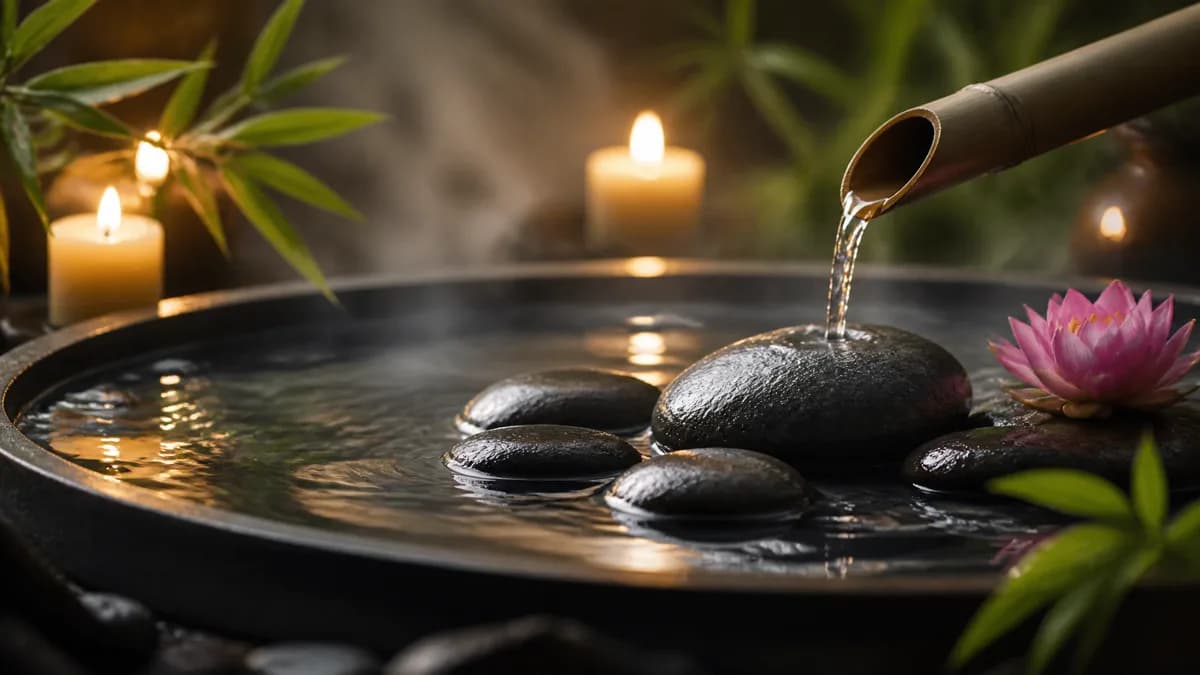
An AI video generator for meditation should create visuals that support attention, breathing, and relaxation rather than compete with them. The scene should be calm enough to sit behind music, guided audio, ambient sound, or a silent breathing session.
This overlaps naturally with AI ASMR video generation. Both workflows reward soft motion, stable cameras, visible texture, and loop-friendly pacing. The difference is usually the viewer intent: ASMR often focuses on tactile satisfaction, while meditation videos focus on steady mood and attention.
What meditation visuals need
Meditation and relaxing videos work best when the visual design is restrained. The viewer should not feel like they need to decode a story.
Good meditation visuals usually have:
- slow continuous motion
- stable framing
- soft light
- low visual noise
- no sudden transitions
- no aggressive contrast
- enough repetition to feel predictable
These requirements make AI generation useful. You can create many calm visual directions without filming a location, building a set, or recording physical objects.
Best AI meditation video ideas
Water ripples
Water is one of the strongest meditation visuals because motion can be subtle and continuous.
Minimal meditation video of clear water ripples expanding slowly across a calm
surface, soft blue and white light, static camera, peaceful loop-friendly
motion, no splashing, no sudden transitions.
Candlelight
Candle visuals work for guided meditation, sleep, breathwork, and spa content.
Close-up candle flame flickering gently beside slowly melting wax, warm amber
light, soft shadows, stable macro camera, calm meditation ambience, no sudden
brightness changes.
Tea steam
Steam is simple, warm, and quiet. It works especially well for morning meditation or wellness channels.
Warm ceramic tea cup on a simple wooden table, thin steam rising slowly, soft
morning light, shallow depth of field, quiet wellness meditation video,
loop-friendly pacing.
Soft fabric
Fabric can create abstract motion without becoming visually loud.
Close-up of soft linen fabric shifting gently with slow airflow, muted neutral
colors, smooth folds, static camera, calm relaxing video background, no hands,
no fast cuts.
Spa stones and water
Spa scenes can work when the frame is not crowded.
Minimal spa scene with smooth stones beside shallow water, soft warm light,
subtle water movement, stable close-up camera, relaxing meditation ambience,
clean background, seamless loop.
Relaxing video generator prompt structure
Use this structure for meditation and relaxing videos:
[Simple subject], [slow continuous motion], [stable camera], [soft light],
[relaxing or meditation mood], [loop-friendly pacing], [constraints].
Example:
Soft abstract water surface with slow circular ripples, stable close-up camera,
warm spa light, peaceful meditation mood, seamless loop-friendly pacing, no
fast movement, no scene transition.
Notice that the prompt does not include too many objects. Meditation visuals often get weaker when the scene becomes more complex.
ASMR versus meditation video prompts
ASMR prompts emphasize tactile detail. Meditation prompts emphasize mood stability.
An ASMR prompt might say:
macro cream ridges forming and smoothing out on reflective glassA meditation prompt might say:
slow water ripples moving across a calm surface in soft lightBoth can be relaxing, but the first asks the viewer to notice texture. The second asks the viewer to settle into a steady background.
AIforASMR can support both approaches because many calming scenes use the same underlying video habits: simple subjects, slow motion, and stable composition. Start from the AI ASMR video generator if you want a calm tactile visual, or browse templates for faster scene structure.
How to make meditation loops
Meditation videos often need to repeat. A loop-friendly prompt should avoid events that only happen once.
Avoid:
- a candle being lit
- a cup being poured
- a door opening
- a person entering the frame
- a camera moving from one scene to another
Prefer:
- candle flame already flickering
- steam already rising
- water already rippling
- fabric already drifting
- rain already falling
This gives the video a continuous state that can repeat more naturally.
Planning duration and batches
If you are testing an AI relaxing video generator workflow, start with short clips. Use them to evaluate mood, motion, and stability. Once you find a strong direction, create variations for different use cases:
- vertical clip for social previews
- square loop for landing page sections
- horizontal background for YouTube
- darker version for sleep
- brighter version for morning meditation
Use the pricing page to plan credit usage before producing a larger set of videos.
Common mistakes in AI meditation videos
The biggest mistake is making the scene too cinematic. A dramatic camera move, strong light flare, or sudden reveal can look impressive, but it pulls attention away from the meditation.
Another mistake is mixing too many calming symbols into one frame. A candle, water bowl, lotus flower, forest, moon, incense smoke, stones, and text overlay can quickly become cluttered. Choose one or two visual anchors and let the motion stay simple.
Also be careful with text. On-screen affirmations can work for some formats, but they are not necessary for a background meditation loop. If the video is meant to sit behind audio, clean visuals are often stronger.
Meditation prompt checklist
Before generating, check whether the prompt answers these questions:
- What is the single calm subject?
- What motion continues slowly?
- Is the camera stable?
- Is the light soft and consistent?
- Does the scene avoid sudden changes?
- Can the clip repeat without an obvious restart?
- Does the mood match sleep, breathwork, spa, focus, or morning meditation?
If the prompt cannot answer these questions, simplify it before generating.
Final takeaway
AI meditation videos work best when they stay simple. Pick one calm subject, ask for slow continuous motion, keep the camera stable, and avoid sudden visual events. The result should support the viewer's state instead of pulling focus away from it.