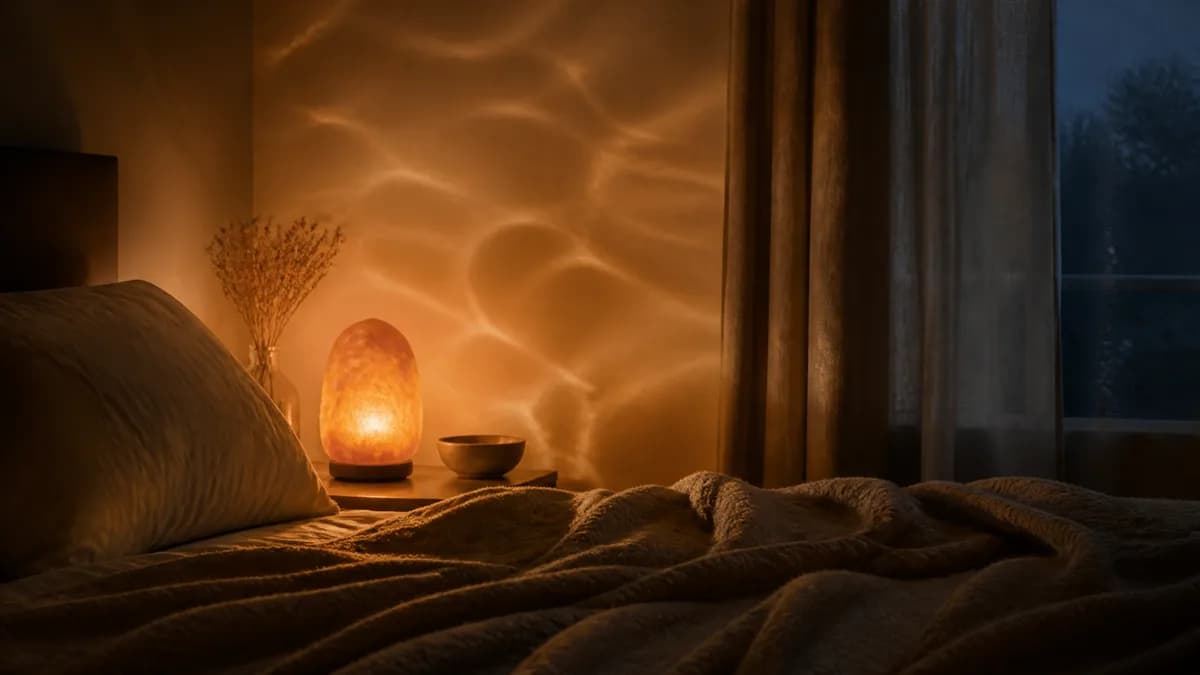
AI ASMR videos for sleep need a different creative rhythm from normal short-form video. They should not demand attention every second. They should hold a calm visual state, repeat gently, and avoid sudden changes that break the mood.
This is why sleep loops are a strong use case for AI ASMR generation. The scene can be simple, the motion can be subtle, and the final video can work as a background visual for sleep, meditation, study, or relaxation.
The best sleep loop ideas usually share a few traits: one subject, soft contrast, slow movement, stable camera, and no dramatic event that creates an obvious beginning or ending.
What makes a good ASMR sleep video
A good AI ASMR sleep video is not just "relaxing." It is controlled.
Look for:
- one main subject
- low to medium visual contrast
- no fast transitions
- no sudden camera movement
- repetitive or continuous motion
- soft light that does not flash
- a frame that still feels calm when looped
The viewer may be using the video as a sleep aid, a background screen, or a quiet ambient loop. The video should support that use case instead of competing for attention.
1. Rain glass sleep loop
Rain on a window is one of the most reliable sleep visuals because the motion is natural and repetitive. It also gives the AI model a simple surface to animate.
Prompt direction:
Static close-up AI ASMR video of rain droplets sliding down bedroom window
glass at night, warm lamp reflection, shallow focus, slow gravity-driven
motion, cozy interior ambience, no camera shake, seamless calming sleep loop.
Use warmer light for a cozy bedroom mood. Use cooler blue light for a quiet late-night or meditation mood. For more rain-specific prompt structures, see AI ASMR rain window video prompts.
2. Candle wax and flame loop
Candle scenes work well for sleep, meditation, and spa visuals because the motion is small but visible. The flame can flicker while wax softens slowly.
Prompt direction:
Close-up candle wax melting slowly beside a small flame, warm amber light,
subtle flame flicker, soft shadows, static macro camera, relaxing ASMR sleep
loop, no sudden brightness changes.
Avoid asking for the candle to be lit, blown out, or moved. Those actions create a clear story event. Sleep loops work better when the candle is already present and the motion continues gently.
3. Tea steam loop
Steam can create a soft visual rhythm when the scene is minimal. A cup of tea, herbal drink, or warm water bowl can work for sleep, wellness, and meditation channels.
Prompt direction:
Warm cup of herbal tea on a wooden table, thin steam rising slowly in soft
morning light, shallow depth of field, static camera, calm wellness ASMR
ambience, loop-friendly motion, no hands, no text.
Steam scenes should avoid busy backgrounds. The motion is subtle, so the viewer needs a clean frame to see it.
4. Water ripple loop
Water ripple scenes are useful for abstract sleep visuals, spa pages, relaxing video backgrounds, and meditation content.
Prompt direction:
Macro surface of clear water with slow circular ripples, soft blue and white
light, minimal background, gentle repeating motion, peaceful AI ASMR sleep
visual, static camera, seamless loop.
For a warmer mood, replace blue light with amber spa light. For a cleaner wellness look, use soft white studio light and a minimal background.
5. Soft fabric motion
Fabric scenes can feel tactile without showing a face, hands, or product. Silk, linen, cotton, and velvet each create different highlights and folds.
Prompt direction:
Soft silk fabric moving gently in slow airflow, close-up folds, muted colors,
smooth highlights, quiet tactile ASMR mood, locked-off camera, continuous
sleep-friendly loop.
This is a good category for faceless ASMR channels because it is visual, repeatable, and not dependent on a physical studio.
6. Skincare texture sleep visual
Skincare prompts are often used for social clips, but slower versions can work as relaxing sleep visuals too. The key is to remove product-ad energy and focus on slow texture motion.
Prompt direction:
Macro AI ASMR video of glossy moisturizer texture spreading slowly across clear
glass, soft studio light, smooth ridges forming and settling, minimal
background, calm loop-friendly pacing, no fast hand motion.
For a more detailed skincare prompt guide, use AI ASMR skincare texture video prompts.
7. Snow or dust in soft light
Floating particles can create a quiet sleep loop when the scene is not too busy. Use this for winter ambience, fantasy calm visuals, or soft background screens.
Prompt direction:
Close-up soft particles drifting slowly through warm window light, shallow
focus, quiet room ambience, low contrast, static camera, relaxing ASMR sleep
loop, no fast movement, no scene transition.
Keep the particle density low. Too many particles can look noisy and make the scene harder to watch for a long time.
8. Aquarium or slow underwater motion
Underwater visuals can be calming when the camera is stable and the scene avoids busy fish movement. Focus on plants, bubbles, or light movement.
Prompt direction:
Slow underwater ASMR ambience with soft plant movement, tiny bubbles rising,
gentle blue-green light, stable close-up camera, peaceful sleep loop, no sudden
fish movement, no fast cuts.
This category can also work for meditation and relaxing background videos.
Prompt rules for sleep loops
Use these rules when writing AI ASMR sleep prompts:
- Prefer continuous motion over one-time actions.
- Keep the camera stable.
- Use soft light and avoid flashing.
- Mention
loop-friendlyorseamless loop. - Avoid scene changes, cuts, or sudden object movement.
- Keep the number of subjects low.
- Use slower verbs like drift, slide, melt, rise, ripple, and settle.
If a prompt feels too exciting, it is probably not a sleep prompt yet.
Free versus paid sleep-video generation
If you are testing an AI sleep video generator workflow, free runs are useful for checking the concept and prompt language. For publishable sleep loops, the main questions are usually consistency, duration, resolution, and whether the motion stays calm across the whole clip.
Plan a small test batch first. Generate several short variations, then extend or rebuild only the most stable visual. You can start from the AI ASMR video generator, look through templates, and use the pricing page to plan credit usage before producing a larger batch.
Final takeaway
The strongest AI ASMR videos for sleeping are not the most complex scenes. They are the scenes that stay calm after repetition. Pick one sensory idea, keep the motion slow, hold the camera steady, and make the loop feel like it could keep going without asking the viewer to react.